


By Dr. Kourosh Keihani, Top Dentist in Calabasas
At Oaks Dental in Calabasas, modern dentistry meets elevated care. Dr. Kourosh Keihani and our team combine advanced cosmetic dentistry, 3D digital imaging, and a calm, welcoming environment so your smile decisions feel curated, not rushed. From veneers and dental bonding to Invisalign and professional teeth whitening, our goal is simple: precision, comfort, and convenience as you decide what’s truly right for your smile.
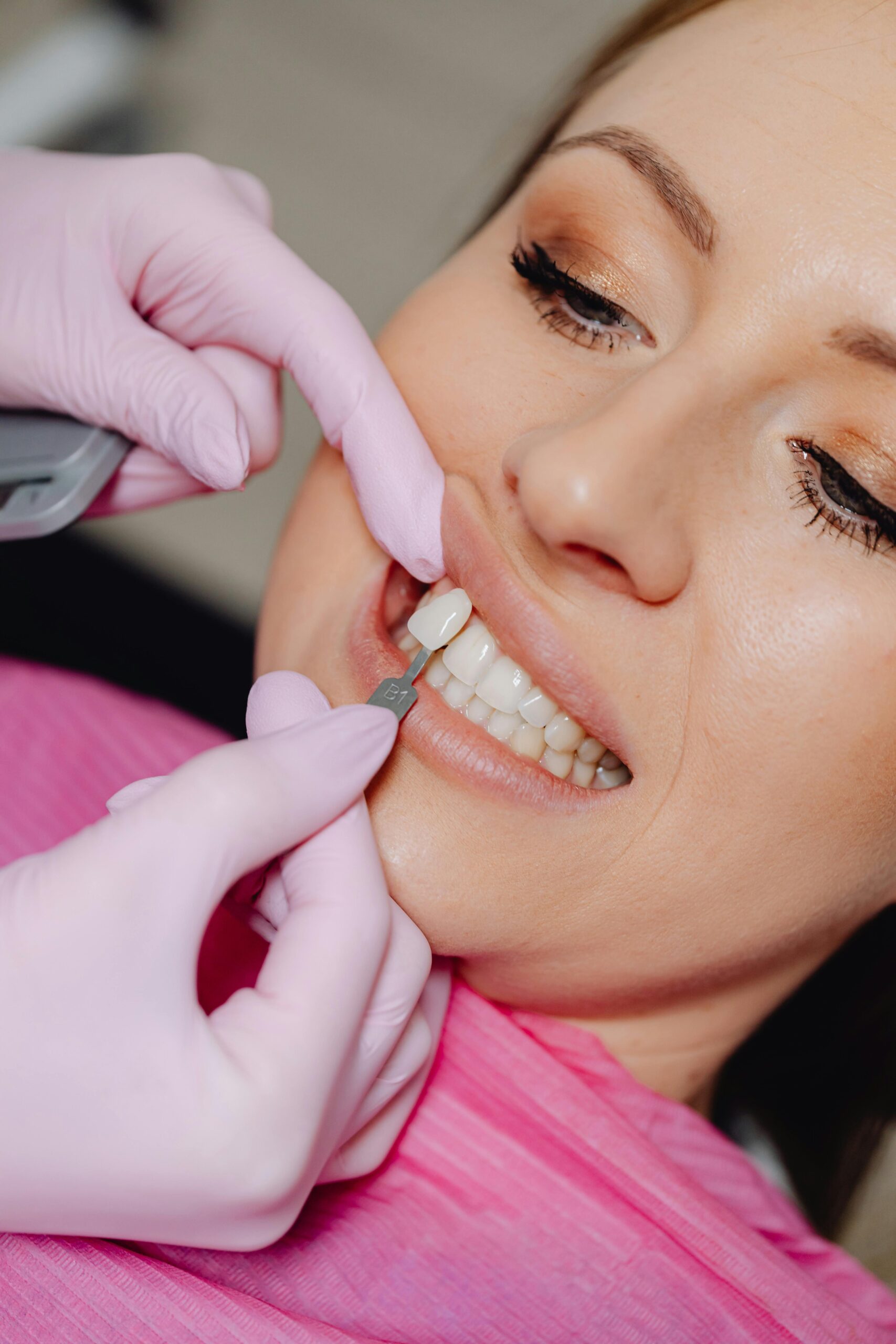
Key Takeaways
- Veneers are powerful—but irreversible—cosmetic dentistry tools; they’re not the answer for every Calabasas patient or every smile flaw.
- A smart veneer decision framework looks at your cosmetic goals, current tooth health, tolerance for permanent changes, budget, and timeline.
- Many mild-to-moderate concerns can be addressed with teeth whitening, dental bonding, or Invisalign instead of—or before—veneers.
- Situations like untreated decay, active gum disease, heavy grinding, or unrealistic expectations are signs that veneers should wait.
- A calm smile assessment in Calabasas should feel like a mini consultation on the page: informative, conservative, and tailored to your lifestyle.
You’ve seen the “after” photos, watched more than a few makeover reels, and maybe even had a friend come back from a veneer trip abroad. At the same time, you’ve heard whispers about teeth being “shaved down” and wonder whether veneers are really worth it—or if smile makeover alternatives like bonding, whitening, or Invisalign might be enough.
If you live or work in Calabasas, you’re surrounded by people who care about how they show up on camera, in client meetings, and at social events. It’s natural to want your smile to match the rest of your life. This guide is designed to feel like a calm, guided consultation: not a sales pitch for veneers, but a clear framework to help you decide whether they truly fit your situation.
A Calabasas Smile Problem: Why You’re Even Considering Veneers
Most people don’t wake up one day and impulsively book veneers. It usually starts with something small you’ve been noticing in photos or Zoom calls: a dark tooth, a chipped edge, uneven lengths, gaps that whitening can’t fix, or years of coffee staining that no over-the-counter kit seems to touch.
In image-conscious Southern California, especially in communities like Calabasas, your smile can feel closely tied to your confidence, professionalism, and presence. Maybe you:
- Work in a client-facing role, entertainment, or a public-facing industry.
- Are you returning to the workplace or dating and want a fresh, polished look?
- Have already tried simple cosmetic dentistry options—like whitening or minor bonding—but still feel “off” about your smile.
At the same time, you’re aware that veneers are irreversible for most patients. You’re not just buying a new jacket; you’re making a permanent change to your teeth and a long-term investment. That mix—strong desire for a better smile plus real concern about making an expensive mistake—is exactly where a structured veneer decision framework becomes useful.
[RECOMMENDED IMAGE: Professional in business attire smiling in a modern Calabasas setting]
Caption: “For many Calabasas professionals, the veneers question starts with a simple realization: my smile doesn’t match how I want to show up in my life.”
Veneers in Plain English: What They Can (and Can’t) Do
In simple terms, veneers are thin, custom-made shells—usually porcelain—that are bonded to the front surfaces of your teeth. According to resources like the Cleveland Clinic, they’re designed to conceal cosmetic issues such as discoloration, minor misalignment, chips, gaps, and worn edges.
Well-planned porcelain veneers can:
- Change color more dramatically and predictably than whitening alone.
- Refine shape and length, making teeth more harmonious with your lips and facial features.
- Close small gaps and create the impression of straighter teeth when alignment issues are mild.
- Deliver a complete smile makeover in a relatively short timeframe.
However, veneers also have important limitations:
- They usually require removing a thin layer of enamel to make space for the porcelain. That change is essentially permanent—your natural enamel doesn’t grow back.
- They do not fix underlying diseases. Cavities, gum disease, and bite problems must be addressed first.
- They are not ideal for severely misaligned or structurally weak teeth, where orthodontics or crowns might be safer.
- They have a finite lifespan—often around 10–15 years—with good care, after which replacement is typically necessary.
Neutral health sources like Everyday Health and Healthline emphasize the same core message: veneers can be transformational for the right person, but the decision should be made carefully, with full awareness of pros, cons, and alternatives.
Your Veneer Decision Framework: 5 Filters to Clarify Your Choice
Instead of asking “Are veneers good or bad?”, it’s more useful to ask, “Are veneers right for me, right now, in my situation?” Here’s a calm, five-filter veneer decision framework to help you sort that out.
Filter 1: Your Cosmetic Goals
Start with what you actually want to change.
- If your main concern is color—staining from coffee, tea, wine, or age, professional teeth whitening might be enough, sometimes combined with minor bonding.
- If you dislike the shape, size, or edges of several front teeth, veneers may be a better fit.
- If your teeth are noticeably crooked or rotated, especially in the back, Invisalign or other aligners may need to come before any porcelain.
The more your goals involve reshaping and masking, not just brightening, the more likely veneers belong in the conversation.
Filter 2: Your Tooth and Gum Health
Cosmetic dentistry sits on top of oral health, not instead of it. Active gum disease, untreated cavities, root infections, or major structural damage mean you’re not ready for veneers yet. Those issues should be addressed first—sometimes with fillings, crowns, or periodontal care—before you safely invest in a permanent cosmetic layer.
Filter 3: Your Tolerance for Permanent Change
Veneers usually require removing some enamel. For many patients, that’s a fair trade for long-term confidence. For others, the idea of irreversible change feels too heavy. If you find yourself thinking, “I want options that are more reversible,” it’s a sign to lean harder into bonding, whitening, or orthodontic alignment first.
Filter 4: Your Budget and Maintenance Mindset
Veneers are an investment, not a quick fix. They involve:
- Upfront fees for planning, provisionals, and porcelain.
- Ongoing maintenance: nightguards if you grind, meticulous hygiene, and eventual replacement.
If you’re budgeting carefully or prefer smaller steps, a phased approach—whitening now, dental bonding on a few teeth, Invisalign to correct crowding—can sometimes deliver a meaningful smile upgrade without committing to full veneer treatment immediately.
Filter 5: Your Timeline
Are you preparing for a wedding, promotion, or on-camera project with a hard deadline? Veneers, done conservatively, can sometimes deliver faster, more predictable cosmetic changes than orthodontic options. If your timeline is flexible, you have more space to consider Invisalign or staged cosmetic dentistry.
By the time you work through these five filters, you’ll usually feel yourself leaning clearly toward one of three paths:
- “Yes, veneers make sense for my goals and lifestyle.”
- “Not yet—let’s focus on health and lighter cosmetic options first.”
- “I’m more of an Invisalign or bonding candidate than a veneer patient.”
When Veneers Are Not the Answer: Health and Lifestyle Red Flags
Some situations are clear signals that veneers should either wait or be approached with great caution. That doesn’t mean you can never have veneers—it just means a responsible cosmetic dentist will slow things down.
Common “when veneers are not the answer” scenarios include:
- Active gum disease or untreated decay. Placing veneers over unhealthy teeth is like painting over a leak; it looks better for a while, but it doesn’t solve the underlying problem. Health-first dentistry means stabilizing gums and fixing cavities before any cosmetic shell is added.
- Significant bruxism (teeth grinding) without protection. Heavy grinding can chip or debond veneers. If you grind, a nightguard,d and sometimes bite adjustments are essential before considering porcelain.
- Very thin enamel or large existing restorations. If most of a tooth is already filled or crowned, a veneer may not be the safest or most durable choice.
- Severely misaligned teeth or major bite issues. Veneers can disguise minor alignment problems, but they’re not a substitute for moving teeth when the bite is significantly off.
- Unrealistic expectations. If you’re hoping veneers will “fix everything” about your face, or you’re bringing in heavily filtered photos of celebrities with totally different facial structures, it’s wise to pause and have a grounded conversation about what’s possible.
A thoughtful Calabasas dentist will be just as clear about when they don’t recommend veneers as when they do. That honesty is a core part of safe, ethical cosmetic dentistry.
Comparing Cosmetic Dentistry Options: Veneers vs Bonding vs Whitening vs Invisalign
If veneers are one tool in the cosmetic toolbox, what are the others—and how do they compare in real life?
Veneers
Best for patients who want a dramatic, long-lasting change in color, shape, and symmetry across multiple front teeth. They’re ideal for:
- Deep discoloration that doesn’t respond to whitening.
- Multiple chips, worn edges, or uneven sizes.
- Gaps or mild misalignment where masking is appropriate.
They are irreversible and usually the highest investment, but also offer the most comprehensive control over the final look.
Dental Bonding
Bonding uses tooth-colored composite to reshape or repair small areas. It’s often the best fit when you’re comparing cosmetic dentistry options for:
- One or two chipped teeth.
- Small gaps.
- Minor shape tweaks.
Bonding is more conservative and lower-cost than veneers, but less durable and more prone to staining. It’s a smart “try this first” step for many Calabasas patients.
Professional Teeth Whitening
Whitening is the simplest starting point when your main concern is color, not shape. It:
- Lightens natural enamel without altering tooth structure.
- Can be repeated or combined with other treatments (like bonding or future veneers).
It won’t change the shape or alignment of teeth, and deep internal discoloration sometimes needs veneers or bonding on top, but it’s often the first, most conservative move in a smile makeover alternative plan.
Invisalign (or Clear Aligners)
When your main issues are crookedness, crowding, or bite problems, aligners focus on movement, not covering. Invisalign is often better than veneers when:
- Teeth are healthy but out of position.
- Gums and bone support are good.
- You’d like to preserve natural enamel as much as possible.
In many cases, the smartest path is Invisalign first, then conservative veneers or bonding if you still want fine-tuning. That combination respects both function and aesthetics.
The goal isn’t to crown a single “winner,” but to match the option—or sequence of options—that fits your teeth, timeline, and comfort with permanence.
Who Veneers Are Great For vs Who Should Pause
Sometimes it helps to picture two real-world profiles.
Veneers Are Often Great For…
Someone with multiple front teeth that are discolored, chipped, or irregular in a way that whitening and minor bonding can’t fully address. They:
- Have healthy teeth and gums, or are willing to fix issues first.
- Understand that veneers are permanent and will need replacement one day.
- Want a faster, more predictable transformation—for example, a Calabasas professional preparing for a significant career or life event.
- Value a curated, boutique experience and are ready to invest in long-term confidence.
Veneers Should Likely Wait If…
You’re still working through cavities, gum health, or grinding, or you feel uneasy about removing enamel. You may be:
- Early in exploring cosmetic dentistry, and haven’t tried whitening or bonding yet.
- More focused on alignment and bite than on masking; Invisalign or other orthodontics might be your starting point.
- Unsure about budget and prefer to move in smaller, more reversible steps.
Neither profile is “right” or “wrong.” The point is to recognize where you sit today and to choose a path that respects both your goals and your long-term oral health.
What a Smile Assessment in Calabasas Looks Like (and Next Steps)
A good smile assessment in Calabasas should feel more like a conversation in a modern dental studio than a hard sell in a clinic. At Oaks Dental, a veneer or cosmetic consultation typically includes:
- A careful conversation about your goals—what you notice in photos, what you like, and what you’d change.
- A health-focused exam with digital X-rays, intraoral photos, and 3D digital imaging when needed to evaluate tooth and gum health.
- A guided walk-through of cosmetic dentistry options: whitening, bonding, Invisalign, veneers, or a phased plan combining several.
- Honest guidance on when veneers are not the answer, and what to do first if that’s the case.
- A clear discussion of investment, maintenance, and timelines, so you’re not surprised later.
You should leave that appointment feeling calmer, more calm, informed, and confident—even if the right answer is “not veneers, at least not yet.”
If you’re in Calabasas and have been saving screenshots, debating “should I get veneers or alternatives,” or just feeling stuck, a structured smile assessment can turn that uncertainty into a clear, personalized plan.
Schedule a smile assessment with our state-of-the-art dental studio in Calabasas to explore veneers, bonding, whitening, Invisalign, or a conservative plan that fits your life and your teeth.
Frequently Asked Questions
How do I know if I should actually get veneers or choose alternatives?
Start with your goals and tooth health. If you want major changes in both color and shape across several front teeth—and your gums and enamel are healthy—veneers might make sense. If your concerns are milder, options like teeth whitening, bonding, or Invisalign can often deliver a meaningful upgrade with less permanence.
When are veneers not the right answer?
Veneers are usually not the answer when you have untreated gum disease, decay, significant grinding, or very large existing restorations that compromise tooth structure. They also aren’t ideal for very crooked teeth or major bite issues that really need orthodontic movement. In those cases, a health-first or aligner-first approach is safer.
What are the main pros and cons of veneers in real life?
Pros include dramatic, long-lasting improvement in color, shape, and symmetry, often in just a few visits. Cons include irreversible enamel removal, cost, the need for excellent hygiene, and eventual replacement. Neutral resources like the Cleveland Clinic stress that veneers are elective and should be chosen thoughtfully.
How do veneers compare to whitening, bonding, and Invisalign?
Whitening is best for color only; bonding is a conservative option for small chips and gaps; Invisalign focuses on alignment and bite. Veneers sit at the more comprehensive end of the spectrum, reshaping and brightening multiple teeth at once. Many Calabasas patients benefit from a combination, such as Invisalign first, then minimal veneers or bonding.
Will veneers damage my teeth or make them weaker?
Veneers require removing some enamel, which is a permanent change. Done thoughtfully on healthy teeth, they don’t automatically “ruin” your teeth, but they do commit you to a lifetime of caring for restored fronts. That’s why dentists and health sites emphasize a careful risk-benefit conversation before you decide—they’re a long-term partnership, not a quick fix.
Final Key Takeaways
- Veneers can be life-changing for the right Calabasas patient, but they’re only one part of a broader cosmetic dentistry toolkit.
- A good decision framework looks at goals, health, irreversibility, budget, and timeline before you say yes.
- There are many smile makeover alternatives—whitening, bonding, Invisalign, or staged care—that often make sense before or instead of veneers.
- Red flags like gum disease, decay, grinding, or unrealistic expectations are clear signs to pause and treat health first.
- A calm smile assessment with a trusted Calabasas dentist should leave you feeling informed and in control, whether you choose veneers now, later, or not at all.
Last Updated: December 12, 2025
 The 3 AM Tooth Pain Decision in Calabasas: ER, Urgent Care, or Emergency Dentist?