

Last Updated: October 22, 2026
Table of Contents
- What Happens If You Put Off a Root Canal?
- How Can You Pay for a Root Canal in Calabasas?
- When Is a Tooth That Needs a Root Canal Urgent?
- How Do Dentists Treat a Tooth That Needs a Root Canal?
- What Should You Do Before Your First Visit?
- Plan Your Root Canal Care in Calabasas
- Frequently Asked Questions
If you can’t afford a root canal right now, do not simply wait it out. Call your dentist, explain that cost is the obstacle, and ask what your options are, because an infected tooth tends to get worse with time, and waiting can turn a tooth that could be saved into one that has to come out.
A tooth that needs a root canal usually has an infected or badly damaged pulp, the soft tissue inside the tooth that holds its nerves and blood vessels. According to the American Dental Association (ADA), an untreated infection can spread to the tissues around the root, cause pain and swelling, and put the tooth itself at risk.
Here at Oaks Dental in Calabasas, we would much rather talk through the cost with you now than see you later with a worse infection. You can reach our team at (818) 431-2000.
If cost is what is holding you back, contact us and we will walk you through the ways patients pay for treatment, before anything is scheduled.
What Happens If You Put Off a Root Canal?
The ADA lists the usual reasons a pulp becomes infected: a deep cavity, repeated dental procedures on the same tooth, a cracked or fractured tooth, or an injury, even one that leaves no visible crack or chip. Putting off treatment leaves those causes in place and gives the infection more time to spread.
Once the infection starts, it usually does not stay put. The ADA explains that if the pulp is left untreated, the tissues around the root of the tooth can become infected, and you will often feel pain and swelling.
An abscess may form inside the tooth or in the bone around the end of the root. The ADA also notes that bacteria can damage the bone that keeps the tooth connected to your jaw, which puts you at risk of losing the tooth completely.
Our own root canal treatment page puts it plainly: left untreated, an infection in the tooth pulp can spread, leading to bone loss, abscesses, and potential tooth extraction.
What that means for your wallet is simple. Waiting rarely makes the problem smaller. A tooth that could be saved today may need more involved care, or removal and replacement, if the infection keeps going.
How Can You Pay for a Root Canal in Calabasas?
You have more options than paying the full amount up front, and several of them can be combined. Ask about each of these before you decide to wait, because the right mix depends on whether you have insurance, an HSA or FSA, or neither:
- Membership Plan: Our in-house membership plan is built for patients without traditional dental insurance. It covers two cleanings, two exams and two sets of X-rays a year, plus member savings on dental services. If you are weighing a membership against insurance, our post on why dental coverage in Calabasas has not kept up walks through the differences.
- HSA and FSA Funds: IRS Publication 969 explains that health savings account and health FSA funds can go toward qualified medical expenses. IRS Publication 502 counts the amounts you pay to alleviate dental disease, including procedures such as fillings and extractions, as medical expenses. FSA plans set their own list, so confirm with your plan administrator before you pay. Our membership is also HSA and FSA eligible.
- Financing Through CareCredit: Oaks Dental accepts CareCredit financing.
- Insurance: Ask your insurer what your plan pays for root canal treatment and for the filling or crown that follows, so the full picture is clear before your visit.
The point of every option above is the same: keep the infection from deciding for you.
When Is a Tooth That Needs a Root Canal Urgent?
Some signs mean the infection is active and should not wait. The symptoms below come from our root canal page and the ADA, and each one is a reason to call your dentist promptly instead of waiting for a better month.
| Warning Sign | Action |
|---|---|
| Swelling or tenderness in the gums | Call your dentist promptly. The ADA links swelling to infection around the root. |
| A pimple-like bump on the gums | Call your dentist promptly. This can be an abscess. |
| Persistent tooth pain, especially when chewing | Book an exam and tell the office cost is a concern. |
| Sensitivity to hot or cold that lingers | Book an exam so X-rays can show what is happening inside the tooth. |
| Discoloration or darkening of the tooth | Have it checked, even if it does not hurt yet. |
If you are dealing with sudden swelling or pain that will not let up, our emergency dentist page explains how we handle urgent visits and what to expect when you call. If the pain hits at night, our post on 3 AM tooth pain in Calabasas walks through when to choose the ER, urgent care or an emergency dentist.
How Do Dentists Treat a Tooth That Needs a Root Canal?
There are two main paths for an infected tooth, and both need a plan for what comes next. Your dentist will recommend one after an exam and X-rays, based on how much of the tooth can be saved and how far the infection has gone, so ask what each path involves before you choose.
Root Canal Treatment
The ADA describes root canal treatment as a way to repair and save your tooth instead of removing it. The dentist numbs the area, removes the infected tissue from inside the tooth, cleans and seals the root canals, and places a temporary filling.
At Oaks Dental, we use advanced digital imaging to assess the tooth before treatment, so you can see why a root canal is being recommended. The ADA notes that a root canal usually takes one or two office visits, and that local anesthesia means there is little to no pain during the procedure. In some cases, you may be referred to an endodontist, a dentist who specializes in the pulp and the tissues around the teeth.
Tooth Extraction
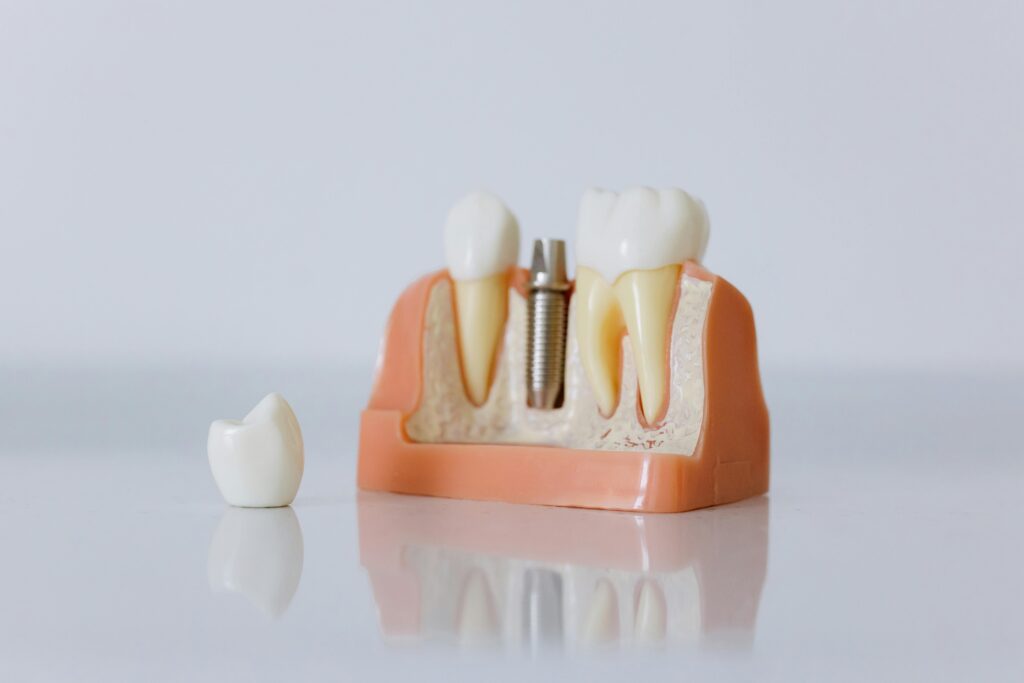
Removing the tooth is the other path. It ends the problem in that tooth, but it leaves a gap, and replacing a missing tooth is its own decision and its own cost.
Our tooth extraction page explains the procedure, and our post on what a tooth extraction costs in Calabasas covers what moves that number. If you choose extraction, ask how you would replace the tooth later, for example with dental implants, so the full plan is clear before you decide.
Before you decide, ask your dentist whether the tooth can still be saved and what each path involves over time. Seeing both plans side by side, with any replacement included, makes the choice clearer.
A Filling or Crown Afterward
A root canal is complete only once the tooth is restored. The ADA explains that the temporary filling protects the tooth only until a permanent filling or crown can be placed at the earliest opportunity, at a follow-up visit.
Depending on the case, the tooth is finished with a permanent filling or a dental crown. Our post on walking out with a permanent crown the same day explains how our same-day crowns work. The ADA notes that with proper care, a restored tooth can last a lifetime, which is why it pays to plan the root canal and its restoration together instead of one at a time.
What Should You Do Before Your First Visit?
Start with an exam. If you are new to Oaks Dental, our $99 New Patient Special covers your first visit: a thorough examination, digital X-rays, a professional cleaning and 3D intra-oral scanning. That visit shows whether the tooth can be saved and what each option involves.

Before you leave, ask for a written treatment plan that lists every step, including the root canal and the filling or crown afterward. Our post on what a dental crown costs in Calabasas explains what goes into the cost of the restoration.
Bring your insurance details and your HSA or FSA information to the visit, so we can look at your options with you while the plan is in front of you.
Then match each line of the plan with the payment options above. A mix, such as HSA funds plus financing, can make the plan workable without waiting.
Plan Your Root Canal Care in Calabasas
A tooth that needs a root canal is a problem that tends to grow, and cost is a reason to start planning now. The sooner the tooth is examined, the more options you are likely to have, from saving it with a root canal to planning an extraction and replacement.
At Oaks Dental, we explain your options in plain language and help you match the treatment plan with the way you pay, whether that is our membership, HSA or FSA funds, CareCredit financing or insurance.
Call us to book your exam and talk through a plan for your tooth.
Medical Disclaimer: This content is provided for general informational purposes only and does not substitute for an in-person evaluation by a licensed dentist. Individual results and costs vary based on the patient’s oral health, the condition of the tooth, imaging findings, and treatment plan. Reading this page does not create a dentist-patient relationship.
Frequently Asked Questions
What Happens If I Can’t Afford a Root Canal in Calabasas?
An untreated infection can spread to the tissues around the root and damage the bone that holds the tooth, according to the ADA. That can turn a tooth that could be saved into one that needs removal and replacement. In Calabasas, Oaks Dental offers a membership plan and accepts HSA and FSA funds and CareCredit financing, so ask about these before you wait.
What to do if I cannot afford a root canal?
Call your dentist and say that cost is the concern. Ask about a membership plan, HSA or FSA funds, financing and what your insurance pays, then ask for a written treatment plan so you can match each step with a way to pay.
What happens if I can’t pay for my root canal?
If the tooth is not treated, the infection can continue. The ADA warns that it can cause pain, swelling and an abscess, and can put the tooth at risk. Talk with your dentist about payment options or about extraction before the infection decides for you.
Does insurance cover a root canal?
It depends on your plan. Ask your insurer what it pays for root canal treatment and for the filling or crown afterward. Patients without insurance can look at our membership plan.
How long does a root canal last without a crown?
There is no set timeline to rely on. The ADA describes the temporary filling as protection only until a permanent filling or crown can be placed at the earliest opportunity, so plan the final restoration as part of the same treatment.
Is a root canal or an extraction better?
It depends on the tooth. The ADA describes a root canal as a way to repair and save your tooth instead of removing it. An exam and X-rays show whether your tooth can be saved, and an extraction leaves a gap you may want to replace later.
Will antibiotics fix a tooth that needs a root canal?
The ADA mentions antibiotics only as something your dentist may prescribe after a root canal if the infection has spread.
How many visits does a root canal take?
The ADA notes that a root canal usually takes one or two office visits. You will also need a follow-up visit for the permanent filling or crown.
 What Is the Average Cost of a Dental Crown in Calabasas, CA?