
Last Updated: October 28, 2026
Table of Contents
- How Is the Cost of a Dental Implant Calculated?
- Step 1: Start With a Consultation and 3D Imaging
- Step 2: Ask Whether Your Plan Includes Bone Grafting or an Extraction
- Step 3: Understand What Implant Placement Covers
- Step 4: Plan for the Abutment and Crown After Healing
- Step 5: Check Insurance, HSA and FSA Before You Commit
- Step 6: Compare the Implant With a Bridge or Denture Over Time
- Plan Your Dental Implant in Calabasas
- Frequently Asked Questions
If you have been told you need a dental implant, the first question is usually the price. The honest answer is a range, because an implant is a series of steps, and each step can add to the total.
National cost data published by CareCredit puts the average single tooth implant at $2,143, with a range of $1,646 to $4,157. The same study lists California’s average for a single tooth implant at $2,730. Those figures come from the 2024 Synchrony Average Procedural Cost Study, conducted by ASQ360° for CareCredit.
Here at Oaks Dental in Calabasas, we plan every implant with 3D imaging first, so you see each step of the plan before treatment starts. You can reach our team at (818) 431-2000.
If you want to talk through your own plan, contact us and we will explain what your treatment is likely to include, step by step.
California’s average for a single tooth implant is $2,730, according to CareCredit’s 2024 cost study, and that figure does not include the crown, a tooth extraction or office-related fees.
How Is the Cost of a Dental Implant Calculated?
The cost of a dental implant is the sum of several parts: the exam and imaging, any extraction or bone grafting, the implant post, and the abutment and crown that sit on top. National averages usually quote only the implant itself, so the full plan for one tooth can be higher than the headline number.
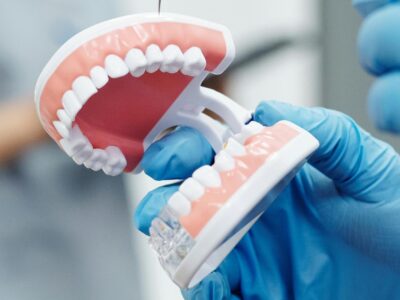
A dental implant is a small post, typically made of titanium or ceramic, that is placed into the jawbone to act as an anchor for a replacement tooth, bridge or denture. Our dental implants page explains how the post mimics the root of a natural tooth and supports the jawbone.
Because the post, the connector and the visible tooth are separate pieces, each one carries its own cost. The number of teeth you are replacing, and the type of implant your dentist recommends, change the total more than anything else.
Where you live matters too. In CareCredit’s state table, the average single tooth implant runs from $1,790 in Alabama to $3,565 in Hawaii, with California at $2,730. California’s average sits above the national figure of $2,143, so compare any quote with the state number as well.
What the Averages Leave Out
CareCredit’s state figures carry a clear note: “Prices do not include the cost of the crown, tooth extraction (for damaged teeth) or office-related fees.” When you compare any published average with a quote, check which of those parts are inside the number.
The same study lists average costs by implant type. They show how much the total moves once more teeth, more support or extra bone work are involved:
| Implant Type | National Average Cost |
|---|---|
| Single tooth implant | $2,143 |
| Immediate-load implant | $3,255 |
| Endosteal implant | $4,344 |
| Endosteal implant with bone augmentation | $5,580 |
| Implant-supported bridge | $5,195 |
| All-on-4 | $15,176 |
These are national averages from one study, so they describe the market, not any one patient’s mouth. Your own plan depends on your bone, your gums and how many teeth need replacing.
Step 1: Start With a Consultation and 3D Imaging
The first step is an exam with X-rays and 3D scans, because the scans show your bone health, gum condition and how much support the implant will have. That information decides almost every later cost, so ask for this visit before you compare any implant prices or quotes.
At Oaks Dental, the implant process begins with a thorough consultation using X-rays and 3D scans. From there, we create a customized plan that outlines the number of implants, whether bone grafting is needed, and the type of tooth replacement.
If you are new to our practice, our $99 New Patient Special covers your first visit: a thorough examination, digital X-rays, a professional cleaning and 3D intra-oral scanning. That visit gives you a starting point before any implant work is planned.
Your general health is part of this visit as well. The ADA notes that if you are in good general health, implants may be an option, and that your health is more of a factor than your age. It also notes that chronic illnesses such as diabetes or leukemia may interfere with healing after surgery, and that tobacco use can slow healing. Our post on dental implants and autoimmune disease looks at health conditions and implants in more detail.
Bring a list of questions to the consultation. Ask how many implants your case needs, which type the dentist recommends and why, and what the plan includes from the first appointment to the final tooth.
Step 2: Ask Whether Your Plan Includes Bone Grafting or an Extraction
Ask early whether your plan includes an extraction or bone grafting, because both add a step and a cost before the implant goes in. A damaged tooth may need to come out first, and thin bone may need grafting so the implant has enough support.
CareCredit’s average for an endosteal implant with bone augmentation is $5,580, compared with $4,344 for an endosteal implant alone. That gap is one reason two patients replacing the same tooth can receive very different quotes.
We offer oral surgery for dental implants, bone grafting and comprehensive tooth loss treatment under one roof. Our tooth extraction page explains how a tooth is removed, and our post on what a tooth extraction costs in Calabasas covers what moves that part of the price.
If your tooth needs to come out, ask whether the plan includes grafting at the same visit or later. Knowing the order of the steps helps you see when each cost will come up.
Step 3: Understand What Implant Placement Covers
Implant placement is the surgical step where the post goes into the jawbone, and it is the part most national averages describe. Before you agree to a quote, confirm whether the number covers only the post or also includes anesthesia or sedation, follow-up visits, and the parts that come later.
During oral surgery, the titanium or ceramic implant is placed in the jawbone under local anesthesia or sedation. Our team uses advanced imaging and precise placement to plan where each implant goes.
The type of implant also changes this step. On our implant page, we describe endosteal implants placed directly into the jawbone, subperiosteal implants that sit on top of the jawbone for patients with less bone, and All-on-4 for full-arch restorations supported by four implants.
The ADA notes that some patients can have implants and replacement teeth placed in one visit, while others wait for the bone to heal first. CareCredit lists an average of $3,255 for an immediate-load implant, so ask which approach fits your case.
Step 4: Plan for the Abutment and Crown After Healing
The abutment and crown come after the implant has healed, so they are easy to leave out of the first number you hear. Ask for them in writing from the start, because the crown is often a separate line, and its material changes the cost of the finished tooth.
After 3 to 6 months of healing and osseointegration, where the implant fuses with the bone, an abutment is attached, followed by a custom crown, bridge or denture. Initial healing usually takes about 1 to 2 weeks, with full osseointegration taking 3 to 6 months.
CareCredit notes that individual crowns can range from $488 to $3,254, depending on the material. Our dental crown page lists the materials we offer, and our post on what a dental crown costs in Calabasas explains what moves that price.
Spread over the full process, that timeline matters for planning. CareCredit notes that patients should expect to spend between three and nine months from the evaluation and preparation stage to the finished tooth, so the costs of a single implant can arrive in stages instead of all at once.
A written plan that lists the implant, the abutment and the crown together lets you see the full cost of one finished tooth, instead of the cost of the post alone.
Step 5: Check Insurance, HSA and FSA Before You Commit
Check your coverage before treatment starts, because implant coverage varies widely from plan to plan. CareCredit notes that some dental insurers treat implants as an elective procedure, while some plans may help pay for the implant crown, so ask your insurer what applies to each part of your plan.
CareCredit also notes that most dental plans have annual maximums, often ranging from $1,000 to $2,000, and that plans may have waiting periods. Health insurance may not cover an implant unless there is a medically necessary reason, Medicare usually does not cover implants, and Medicaid might help depending on the state.
Health savings accounts and flexible spending accounts are another route. IRS Publication 502 lists artificial teeth, and treatment to alleviate dental disease, as medical expenses. FSA plans set their own rules, so confirm with your plan administrator before you pay.
For patients without traditional insurance, our membership plan covers two cleanings, two exams and two sets of X-rays a year, plus member savings on dental services, and it is HSA and FSA eligible. Oaks Dental also accepts CareCredit financing. Our post on why dental coverage in Calabasas has not kept up compares membership and insurance in more detail.
Step 6: Compare the Implant With a Bridge or Denture Over Time
Compare the options over the years you expect to keep them, since the first price is only part of the picture. CareCredit notes that dental implants may last a lifetime, while bridges and dentures typically last up to 15 years.
On our implant page, we note that with proper care, dental implants can last 15 to 25 years or even longer. Oral hygiene, routine professional cleanings, and avoiding smoking or teeth grinding all play a role in how long an implant lasts.
The crown on top wears differently from the post. CareCredit notes that the crown on an implant may need to be replaced within 10 to 15 years, so it helps to plan for that when you compare options.
Protecting the implant also protects what you spent on it. Our implant page names gum disease, bone health, smoking, a poor diet, teeth grinding and conditions such as uncontrolled diabetes as factors that can affect long-term implant health, which is why regular check-ups and cleanings stay part of the plan.
If a tooth can still be saved, that is a separate conversation. Our post on putting off a root canal explains what is at stake when a damaged tooth is left untreated.
Plan Your Dental Implant in Calabasas
The average cost of a dental implant gives you a starting point, and the real number for your mouth comes from an exam and 3D imaging. A plan that lists every step, from any extraction or grafting to the final crown, is the clearest way to see what you will pay.
At Oaks Dental, we walk you through each part of your implant plan in plain language, and we help you match it with the way you pay, whether that is insurance, HSA or FSA funds, our membership or CareCredit financing.
Call us to book your consultation and see what your implant plan includes.
Medical Disclaimer: This content is provided for general informational purposes only and does not substitute for an in-person evaluation by a licensed dentist. Individual results and costs vary based on the patient’s oral health, bone and gum condition, imaging findings, and treatment plan. Cost figures cited are published averages and are not a quote for treatment. Reading this page does not create a dentist-patient relationship.
Frequently Asked Questions
How much does a single dental implant cost in Calabasas?
CareCredit’s 2024 cost study lists California’s average for a single tooth implant at $2,730, against a national average of $2,143. That figure does not include the crown, a tooth extraction or office-related fees. In Calabasas, Oaks Dental plans each implant with 3D imaging so you can see what your own plan includes.
How much will insurance pay for dental implants?
It depends on your plan. CareCredit notes that some dental insurers treat implants as elective, while some plans may help pay for the implant crown, and most plans have annual maximums often ranging from $1,000 to $2,000. Ask your insurer what it pays for each part of your plan.
How long will implant teeth last?
CareCredit notes that dental implants may last a lifetime, while the crown may need to be replaced within 10 to 15 years. With proper care, the implant itself can last 15 to 25 years or longer, and hygiene, cleanings and avoiding smoking or grinding all play a role.
Is a single tooth implant worth it?
That depends on your mouth, your health and how long you want the replacement to last. CareCredit notes that implants may last a lifetime, while bridges and dentures typically last up to 15 years. An exam and 3D imaging show whether an implant is an option for you.
How long does the implant process take?
Initial healing usually takes about 1 to 2 weeks, and full osseointegration, where the implant bonds to the bone, takes 3 to 6 months. Extractions, bone grafting and the number of implants can lengthen the timeline.
 What Happens If I Can’t Afford a Root Canal in Calabasas?
